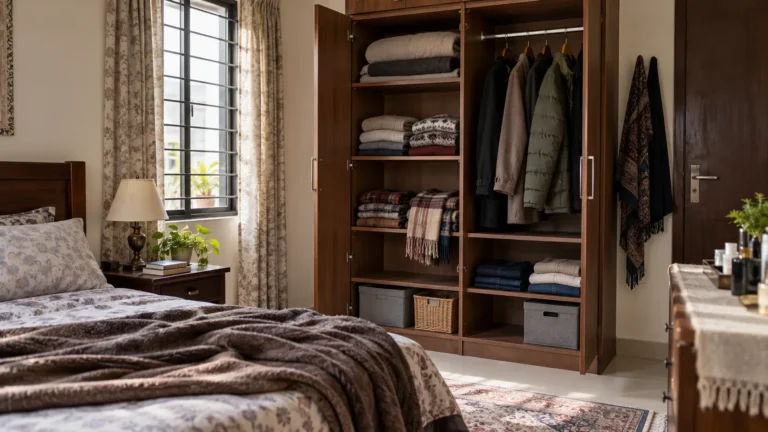
Hostel Essentials in Pakistan: What to Buy First, What to Wait For, and What to Skip

On this page
- The Ten-Minute Hostel Room Audit
- What to Bring, Buy After Arrival, and Skip
- Build a Study Setup That Fits the Room
- Plan for Heat, Airflow and Power Interruptions
- Everyday Essentials for Shared Living
- Laundry Without Turning the Room Into a Laundry Area
- Electrical Appliances: Check First, Buy Second
- Set a Realistic First-Week Budget
- Your First-Week Hostel Checklist
- FAQs
A student preparing to move into a hostel can fill a shopping cart surprisingly quickly. A desk lamp seems necessary, a fan might be useful, a drying stand looks practical, and an electric pot promises convenient meals. Add bedding, toiletries, bottles and room accessories, and the list can start looking like a complete bedroom setup.
But the room may already have a desk, light, wardrobe or access to shared facilities. Some purchases may be too bulky for the available space, duplicate what the hostel provides or violate its rules.
The smarter way to approach hostel essentials in Pakistan is to separate what you need before moving from what you should decide after seeing the room.
Do not buy the entire room before understanding the room.
Quick Answer
Before moving, prepare documents, personal medicines, toiletries, daily clothes, a bath towel, suitable slippers, chargers and anything the hostel specifically asks you to bring. Confirm whether bedding is provided. After arrival, inspect furniture, lighting, sockets, storage, airflow and laundry arrangements. Buy a lamp, drying rack or organizer only when you find a real gap. Check written rules before buying electrical appliances, especially anything that heats or cooks. Waiting can save money, luggage space and avoidable rule violations.
The Ten-Minute Hostel Room Audit
Before shopping, check what your accommodation actually provides. You do not need to measure every corner. Identify the facilities that could make a purchase unnecessary.
Furniture and bedding: Check for a bed, mattress, desk, chair, wardrobe, drawers, shelves, mirror and room light. Ask whether bedsheets, pillows, a blanket or a comforter are included. For example, Beaconhouse National University’s hostel information lists room furnishings and storage, while separately advising students to bring basic bedding. This is BNU-specific information, not a template for every Pakistani hostel.
Study area and sockets: Sit at the desk as you would during a normal study session. Check the light, socket location and whether books or a laptop fit without blocking your workspace. Ask before using an extension board or multi-plug, and never assume that extra sockets make overloading safe.
Airflow and comfort: Check whether a fan is already installed, whether windows open and how much room remains around the bed and desk. Do not buy a portable fan until you know it is needed, permitted and practical for the available surface.
Storage and security: Open the drawers and wardrobe. Measure only if you are considering a storage product. If you want to bring a personal lock, first confirm there is compatible lockable storage and that hostel rules allow its use.
Laundry and cleaning: Ask whether laundry is collected by a service, washed in shared facilities or handled independently. Find out where clothes may be dried and which cleaning tasks residents are expected to handle in their own rooms.
Rules: Save the latest hostel policy, especially the sections on electrical appliances, cooking, laundry, wall fixings and shared facilities. Report damage or missing promised furniture through the official check-in process.

What to Bring, Buy After Arrival, and Skip
A useful hostel packing checklist explains when to get an item, not just whether it might be useful.
| Decision | Typical items | Why the timing matters |
|---|---|---|
| Bring from home | Documents, required medicines, toiletries, daily clothes, chargers, bath towel and suitable slippers | You already know you need them, and they are easy to forget during the move |
| Bring if required or already owned | Bedsheets, pillow, blanket, laundry bag, personal water bottle | Check what is provided; bring useful items you own rather than buying duplicates |
| Buy after seeing the room | Desk lamp, night light, storage organizer or drying stand | Usefulness depends on furniture, layout, available space and rules |
| Wait until the first week | Extra organizers, backup accessories, decorative items and additional bottles | You will know what is missing and what is only taking up room |
| Skip unless explicitly permitted | Electric pot, kettle, hot plate, heater or other restricted appliance | A product is not useful if you cannot safely and legitimately use it in your accommodation |
Before leaving, separate worn clothes from clean laundry with a bag you already own if possible. Bring a personal lock only if it will fit an approved lockable drawer or cupboard. Keep necessary medicines in their original packaging when practical and follow the storage directions you have been given.
Bring personal necessities, verify what is supplied, and postpone items whose use depends on the room.
Build a Study Setup That Fits the Room
A study setup needs to support reading, writing and laptop work. It does not need to look like a fully furnished home office.
Start with the desk and chair provided. Place books or a laptop where you will actually use them, then assess whether the existing light reaches the working surface. Make sure a lamp or accessory will not block the mirror, shelf, socket or room to write.
If you need supplementary lighting, ZARAK’s Book Desk Lamp is listed as a book-shaped lamp. The current product image shows the covers open, the pages fanned out and a warm yellow glow, consistent with the product description. The listing does not provide a verified brightness level or a complete technical specification, so check whether it suits your actual study needs before purchasing.
Do not assume a decorative or warm-glow lamp will provide the brightness you prefer for detailed reading. First assess the room’s existing lighting at the time you usually study, then compare the product’s verified information with that need.

Explore Lighting & Lamps
If the room audit shows that the supplied light does not suit your study routine, compare practical lighting options after checking the desk space, power arrangement and hostel rules.
Plan for Heat, Airflow and Power Interruptions
Comfort depends on the room, season and available facilities. Check whether a fan is already supplied, whether windows open, and what the hostel says about personal electrical devices.
A rechargeable product should not automatically be treated as a dependable power-cut solution. Actual usefulness depends on the device, its charge state and its verified operating capabilities.
A small motion-sensing light may help you find belongings in a dark wardrobe or move along a permitted walkway at night. ZARAK’s Motion Sensor LED Night Light, USB Rechargeable Wireless Lamp is listed as cordless, USB rechargeable and motion-sensing, with suggested uses including cabinets, wardrobes and staircases. Consider it only if the hostel permits the intended placement and it can be used without prohibited fixtures. It is not a replacement for suitable study lighting.
A rechargeable desk fan is another possible purchase when room conditions justify it, but not every product marketed for desktop use is suitable for a hostel bedroom. Check the current product category, intended use, physical fit and hostel policy before buying.
Everyday Essentials for Shared Living
The most useful small purchases often support routines that happen every day.
Water: A bottle can be useful when you travel between your room, classes and the library. Check where you can refill and clean it. ZARAK’s 1000ml Focus Gym Bottle Fiber Plastic is listed as a one-litre bottle made from fibre plastic. Its listed capacity does not establish that it is leakproof or insulated. If you already have a suitable bottle, bring it rather than buying another.
Personal surfaces: You may need to keep your own desk or shelf clean even when the hostel has staff or shared cleaning arrangements. Confirm your responsibilities, and do not assume residents must supply tools for common areas. ZARAK’s 20 Piece Reusable Microfiber Cleaning Wipes are listed as reusable microfibre cloths packed in a pull-out box, with use cases including furniture, counters, glass and screens. They are cleaning cloths, not disinfectants. Follow device manufacturers’ instructions for cleaning screens, and do not spray liquid directly onto electronics.
A towel, everyday slippers and a laundry bag may be more immediately useful than another gadget. Use what you already own if it is suitable. Avoid buying a complete cleaning kit before finding out what your personal space actually needs.

Laundry Without Turning the Room Into a Laundry Area
Ask how laundry works before bringing equipment. Some hostels offer a paid service, while others have shared facilities or expect residents to manage washing themselves. Confirm collection times, charges, rules and where clothes may be dried.
BNU’s published hostel information also states that laundry cannot be hung out to dry on its balconies. That is a BNU-specific rule, not a national requirement. Check the same issue with your own accommodation before planning a drying setup.
If you must air-dry clothes, establish whether indoor drying is allowed and where it can happen without blocking the doorway, cupboard, desk or main walkway. Consider ventilation and available floor space before purchasing a rack.
ZARAK’s Folding Cloth Hanging Drying Stand is described as a floor-standing rack with rails and side wings that folds down flat for storage. It could be relevant when personal drying is permitted and there is a suitable place to open it. The full opened footprint is not specified in the product information reviewed, so measure your room and confirm current availability before buying.
For more general guidance, ZARAK’s guide to drying clothes faster without a dryer covers spacing and airflow. These techniques still need to fit the room and its rules.

Explore Laundry & Clothing Care
If you are responsible for drying your own laundry, compare suitable options only after confirming the allowed location and measuring the space you can use.
Electrical Appliances: Check First, Buy Second
Kettles, electric pots, hot plates, heaters and other electrical appliances may be restricted or prohibited inside hostel rooms. Rules differ by institution and can distinguish between private rooms and approved communal facilities.
BNU’s published “What Not to Bring” list includes electric kettles and hot plates. Dow University of Health Sciences’ hostel page states that electrical appliances are not allowed inside student rooms and encourages residents to use appliances available in common places. KFUEIT’s hostel regulations list prohibited appliances and describe the administration’s role in permissions for certain equipment.
These are institution-specific examples, not a rule that applies to every Pakistani hostel. Your own hostel’s current written policy is the one that matters.
Before purchasing an appliance that heats or cooks:
- Read the current hostel policy.
- Confirm whether the exact appliance is allowed in your room or only in a designated common area.
- Seek explicit permission if the policy requires it.
- Follow the approved setup and the manufacturer’s safety instructions.
ZARAK previously listed a 1.5Litre 450W Electric Pot with Egg Boiler Option. Its listing stated a 1.5-litre capacity, 450W power rating and an egg-boiling option. This is a conditional candidate only. Consider it only if the specific hostel explicitly permits the appliance in the intended location. Otherwise, skip it and use authorized shared facilities if available.
Never bypass hostel rules, overload sockets or improvise electrical connections to use a prohibited device.

Set a Realistic First-Week Budget
Prioritize spending in four steps.
First, cover personal necessities. Documents, toiletries, necessary medicines, daily clothing, towel, slippers and other essentials your accommodation requires should take priority.
Second, replace only confirmed gaps. If the room genuinely lacks an essential item you are responsible for providing, arrange it after checking that it is not already available.
Third, solve repeated problems. Poor desk lighting, missing permitted drying space or inadequate personal storage can justify a purchase once you have confirmed the need.
Last, consider convenience upgrades. Additional organizers, decorative accessories and duplicate supplies can wait. Skip anything prohibited or unsuitable for the room.
A useful test is: What problem did I encounter that this item would solve? If you cannot name a specific problem, delay the purchase.
Your First-Week Hostel Checklist
Before leaving home
- ☐ Confirm check-in details and save the current hostel rules.
- ☐ Prepare required documents and necessary personal medicines.
- ☐ Pack toiletries, bath towel, slippers, daily clothes and chargers.
- ☐ Confirm whether bedding is provided or must be brought.
- ☐ Pack a laundry bag or another way to separate worn clothes.
- ☐ Bring a lock only if compatible lockable storage is provided and permitted.
- ☐ Avoid buying appliances before checking permission.
On arrival
- ☐ Check the furniture, room light, sockets and available storage.
- ☐ Report damage or missing promised items through the official process.
- ☐ Confirm laundry arrangements and where clothes may be dried.
- ☐ Check appliance restrictions before plugging in personal equipment.
After several days
- ☐ Note what you actually needed but did not have.
- ☐ Remove purchases that duplicate provided facilities.
- ☐ Measure available space before buying a rack or organizer.
- ☐ Buy only for a genuine gap that remains.
The aim is not to own every item on a hostel checklist. It is to build a workable routine in the room you actually have. Bring what you know you need, wait on choices that depend on the room, and skip purchases that duplicate facilities or break the rules.
Explore Cleaning Tools
If your first-week audit shows you need basic supplies for your own desk or shelf, compare personal-space cleaning tools instead of buying a full kit.
FAQs
What are the essential things to take to a hostel in Pakistan?
Start with required documents, necessary personal medicines, toiletries, daily clothes, a bath towel, suitable slippers, chargers and any items your specific hostel requires you to bring. Confirm whether bedding is included before packing bulky items or buying replacements.
What should I buy before moving into a hostel?
Prepare personal necessities you already know you need. Delay purchases such as organizers, drying racks and additional furniture until you have checked the room, confirmed its facilities and understood what is permitted.
What should I check before buying electrical appliances for a hostel?
Read the current rules for your particular hostel and confirm whether the exact appliance is permitted in your room or a designated communal area. Do not assume that another student’s appliance or a common-kitchen facility means the same device can be used privately.
How can I set up a study space in a small hostel room?
Start with the provided desk, chair and light. Position everyday study materials so they are easy to reach, then identify any specific problem with lighting, sockets or usable surface space before buying accessories.
What can help during power interruptions in a hostel?
First find out whether your accommodation has backup power and what facilities it supports. A permitted rechargeable light may provide added convenience, but check the device’s specifications and do not assume that it will run for the entire outage.
How should I handle laundry in a shared hostel?
Learn whether laundry services, washing facilities or shared drying areas are available, and follow their rules. If you are responsible for drying clothes, confirm which locations are permitted before buying or setting up a rack.
How can I avoid buying too much for a hostel room?
Separate items into what you need before leaving, what depends on the room, and what can wait until you have used the accommodation for a few days. Measure space and check rules before buying anything bulky, restricted or redundant.
What should I purchase after the first week rather than before arrival?
Buy items that solve a repeated problem you have actually encountered, such as unsuitable desk lighting or a genuine lack of permitted drying space. If the room and existing facilities already work, you may not need an additional organizer or appliance.